The Trump administration has returned to the US Supreme Court in a last-minute attempt to impose new restrictions on mail voting before November’s midterm elections, escalating a legal battle over how much authority the federal government has over election administration.
The administration filed its latest appeal on Sunday after a federal judge blocked the US Postal Service from implementing parts of President Donald Trump’s executive order governing mail ballots. The filing is the administration’s third appeal to the Supreme Court in the dispute.
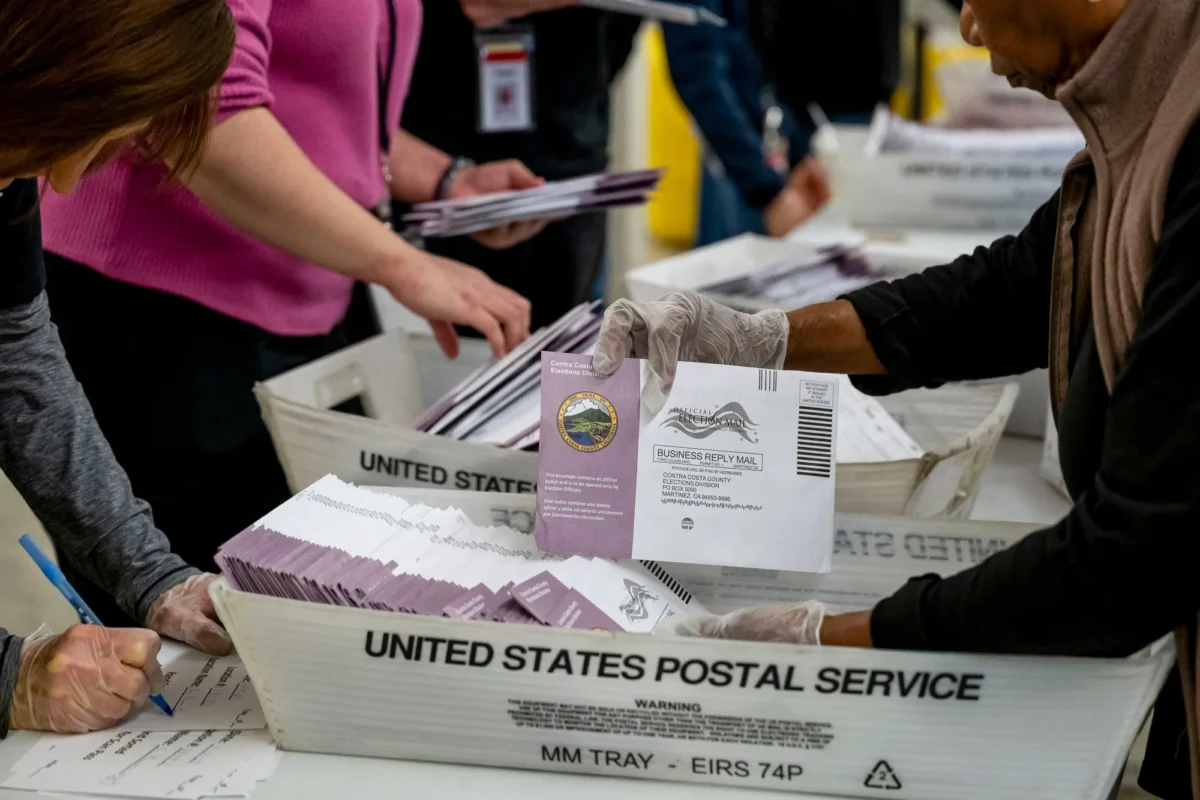
The timing has become central to the case. States have already begun sending ballots to voters, while election officials in other states are preparing to do so. North Carolina mailed ballots on Friday, and Wisconsin election officials have begun the process of sending them this week.
That leaves the administration trying to change election procedures while the election machinery is already moving.
Trump’s executive order seeks to impose new requirements on mail ballots, including procedures involving voter lists, ballot envelopes and postal processing. The administration argues that the measures are necessary to improve election security and prevent confusion.
Election officials have raised a different concern: that introducing new requirements so close to the election could itself create confusion and lead to ballots being delayed or rejected.
The dispute has therefore moved beyond the broader political argument over mail voting and into a practical question about whether election systems can absorb major changes weeks before voting begins.
The federal judge overseeing the case, US District Judge Indira Talwani, has blocked the administration’s postal rules for the midterms. In her latest order, she warned that the policy could threaten the ability of millions of Americans to vote by mail. The administration has challenged that ruling before the Supreme Court.
Solicitor General John Sauer has argued that the restrictions fall within the federal government’s authority and described the requirements as reasonable preparation for election-related mail.
Democratic-led states and voting-rights organisations disagree. They argue that the administration is attempting to override state authority over elections and that the new rules could disenfranchise voters.
That disagreement goes to the heart of the case.
US elections are administered largely by states and local authorities, which set many of the rules governing registration, ballot distribution and vote counting. Trump’s order attempts to use federal authority over the Postal Service to impose additional conditions on how election mail is handled.
The Supreme Court has already intervened in the dispute once. In August, the justices temporarily allowed parts of the administration’s plan to move forward before the lower court blocked implementation again.
The latest appeal now comes against a shrinking electoral timetable.
Nearly one-third of Americans used mail ballots in the 2024 presidential election. Any major change to the system therefore affects a significant share of the electorate, particularly voters who rely on absentee ballots because of distance, disability, work schedules or other circumstances.
The political consequences could also be significant.
The midterm elections will determine control of Congress, with Democrats seeking to regain the House and challenge Republicans for the Senate. Any disruption to mail voting could therefore affect a contest in which relatively small shifts in turnout may determine control of individual districts and states.
The administration insists that its changes would make elections safer and more transparent. Critics argue that the timing and scope of the changes create precisely the uncertainty they claim to prevent.
That argument will now be tested against the election calendar as much as against constitutional law. The longer the litigation continues, the harder it becomes for state and local officials to alter established procedures without disrupting ballots already prepared for voters.
The Supreme Court may ultimately decide whether Trump’s executive order can survive legal challenges. But even if the administration wins, election officials will still have to determine whether the changes can be implemented without creating a new set of problems just weeks before Americans vote.