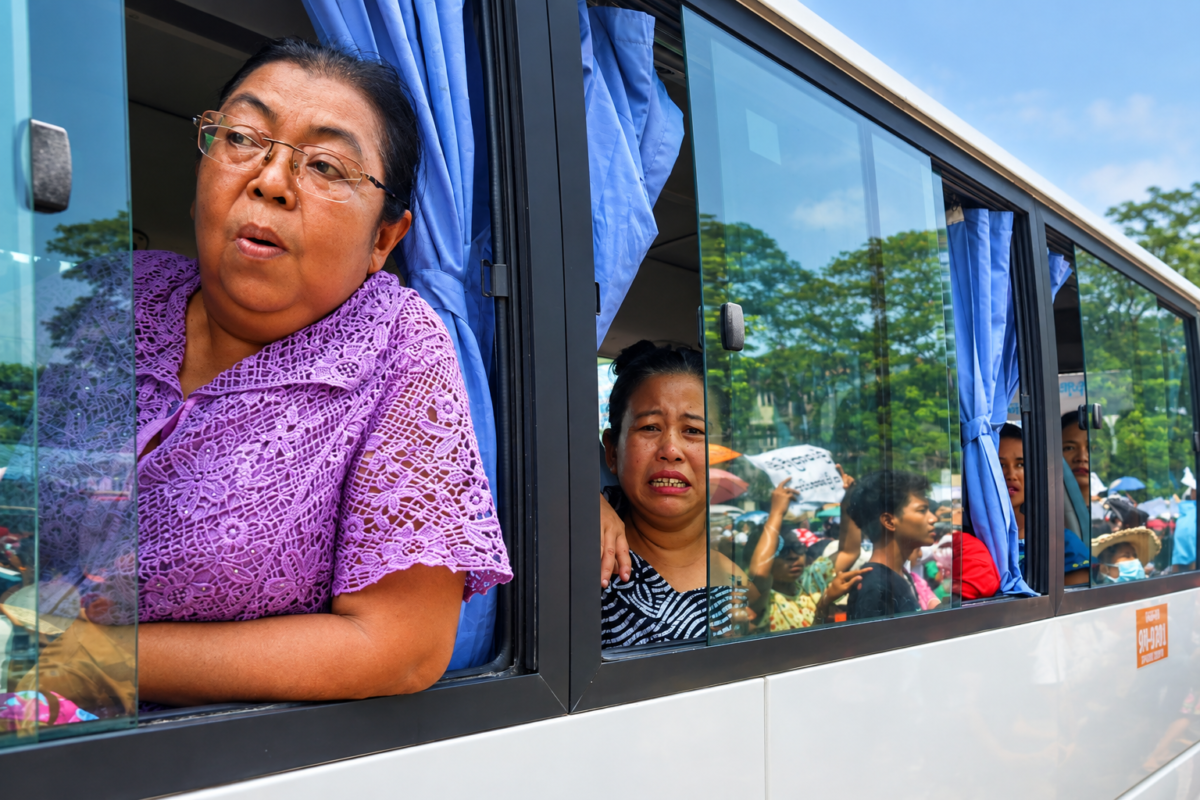
Women held as political prisoners in Myanmar face torture, sexual violence, squalid conditions and dangerous denial of medical care, Human Rights Watch said Wednesday.
The rights group said about 6,600 women and 640 children are among more than 30,000 people detained for political reasons since the military seized power in February 2021. Former leader Aung San Suu Kyi remains among those detained.
Human Rights Watch based its findings on interviews with 17 former women political prisoners, three relatives and four lawyers and advocates. The interviews took place in 2025 and 2026 and covered 11 interrogation centres and prisons.
The women described beatings with sticks, chains and metal pipes. Some reported electric shocks, cigarette burns, prolonged stress positions and sexual violence.
They also described invasive body searches, solitary confinement and retaliation after complaining about prison conditions or treatment. Human Rights Watch said some women faced months-long waits for medical care or had to pay bribes to obtain treatment.
Medical neglect posed particular risks for pregnant prisoners.
Former detainees described women giving birth inside prison without adequate equipment or specialist care. Others said authorities delayed hospital referrals even during medical emergencies.
One woman told Human Rights Watch that she was eight months pregnant when an earthquake injured her at Obo prison in March 2025. Her request for medical treatment was delayed for more than two weeks, and her fetus later died in utero. She died from an infection after a stillbirth, according to the report.
Human Rights Watch also documented cases in which women with serious illnesses struggled to obtain hospital referrals. Some prisoners depended on fellow detainees with medical training because prisons lacked adequate staff and equipment.
The group said more than 2,300 people have died in custody since the coup, citing the Assistance Association for Political Prisoners. Myanmar Prison Witness has separately documented 290 deaths among political prisoners between February 2021 and September 16, 2026, including 43 women political prisoners and their children.
The report also described overcrowding, poor sanitation, contaminated water, inadequate food and limited access to menstrual supplies.
Former prisoners reported long-term psychological effects after their release, including nightmares, panic attacks, hypervigilance and fear of people in uniform.
“Women who have been detained as political prisoners in Myanmar paint a deeply disturbing picture of a prison system in which suffering and neglect are both deliberate and routine,” said Bryony Lau, Human Rights Watch’s deputy Asia director.
The findings add to a wider record of abuses since the 2021 coup. Human Rights Watch has previously documented torture, sexual violence and denial of medical care in Myanmar’s prisons, interrogation centres and other detention sites.
Human Rights Watch called on Myanmar’s authorities to release women political prisoners and their children and to end torture and other mistreatment in custody.
The group also urged governments to increase pressure on senior junta officials and allow independent humanitarian organisations access to detainees.