China’s latest economic figures have raised fresh concerns about the durability of its recovery, with fixed-asset investment declining and urban unemployment increasing in August.
The Shanghai Composite fell to a more than one-month low on Tuesday after data showed that fixed-asset investment dropped 7.2 per cent in the January–August period. The decline was the steepest for the corresponding period since the early months of the COVID-19 pandemic, according to market reporting.
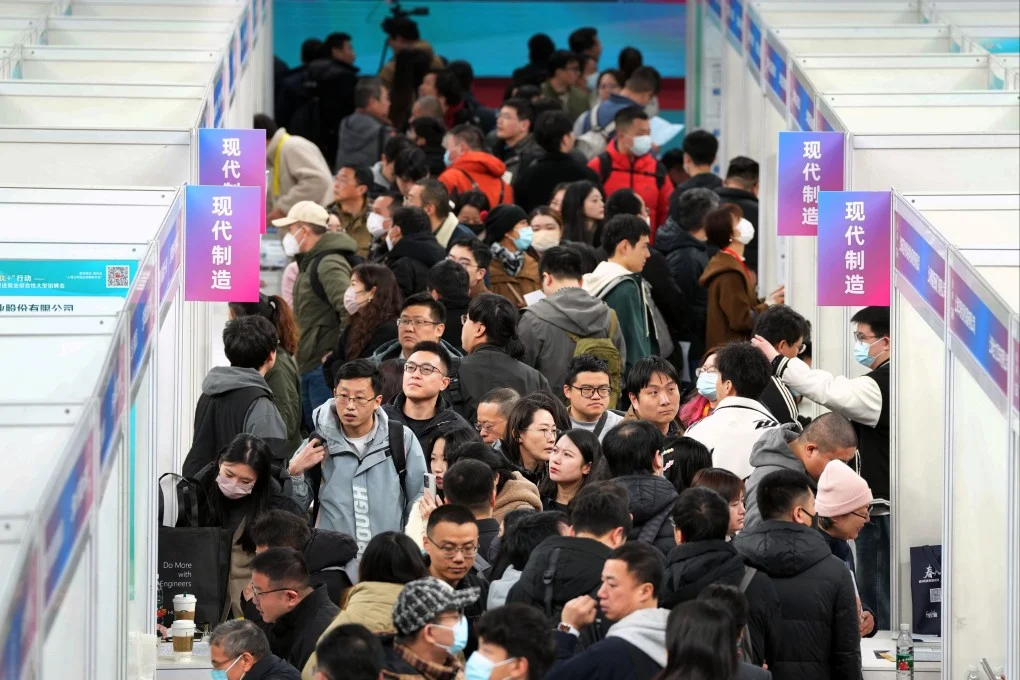
China’s urban unemployment rate also rose to 5.3 per cent in August from 5.2 per cent in July, exceeding market expectations.
The figures suggest that weak investment and employment pressures remain obstacles to stronger domestic demand. Investment has historically played a major role in China’s growth model, but the property-sector crisis, weak private-sector confidence and concerns about overcapacity have complicated efforts to sustain expansion.
The data could increase pressure on Chinese policymakers to introduce additional support measures. Possible responses include targeted fiscal spending, measures to stabilise the property market, support for household consumption and efforts to improve business confidence.
However, policymakers face limits. Further stimulus could increase debt risks or prolong dependence on investment-led growth, while weaker demand in China could affect commodity exporters and manufacturers across Asia and beyond.
The economic slowdown also has implications for global markets. China remains a major consumer of oil, metals, agricultural commodities and industrial equipment. A weaker recovery could reduce demand for raw materials, although lower Chinese demand might also ease some commodity-price pressures.
The mixed market reaction reflected the uncertainty. The Shanghai Composite declined while the Shenzhen Component edged higher, suggesting that investors were not responding uniformly across sectors.
The latest data do not necessarily establish that China is entering a recession. They do, however, indicate that the country’s recovery remains uneven and that stronger growth may require more than export performance or public infrastructure spending.
Featured-image suggestions
- Shanghai skyline or Chinese financial district
Source: licensed agency photography. - Chinese factory floor or construction site
Source: official Chinese statistical or industrial imagery, with location and date identified.
Source: Business Tech Africa reported the decline in China’s January–August fixed-asset investment and the rise in urban unemployment in August.