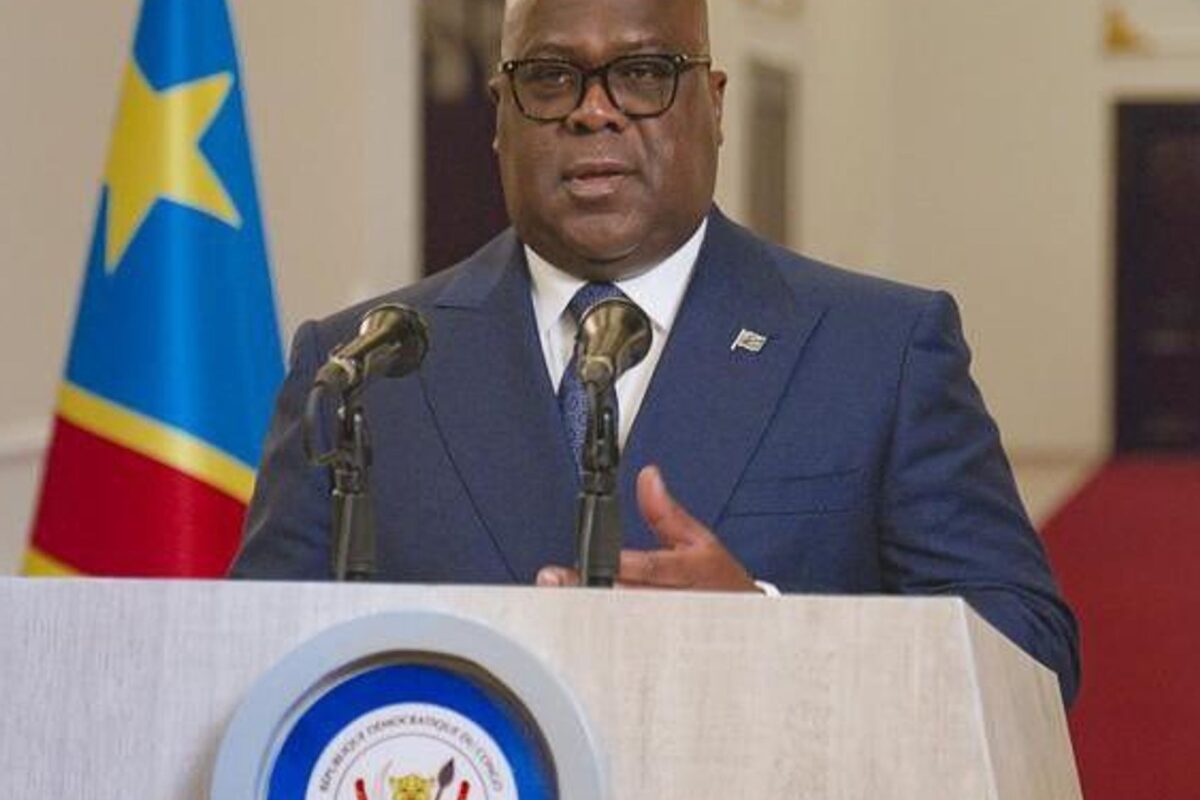
Opposition parties in the Democratic Republic of Congo have rejected President Félix Tshisekedi’s proposed national dialogue, accusing his government of using the initiative to advance constitutional changes that could allow him to seek a third term.
The opposition’s rejection comes as the government faces mounting political tensions alongside the continuing conflict with the Rwanda-backed M23 armed group in eastern Congo.
Tshisekedi has presented the dialogue as an effort to ease political tensions and bring Congolese political forces together. But the opposition says the proposed consultations are not a substitute for an inclusive national dialogue and has accused the president of seeking to entrench his position.
The Article 64 opposition coalition has called for nationwide demonstrations on September 15, after previously postponing protests over the proposed constitutional changes.
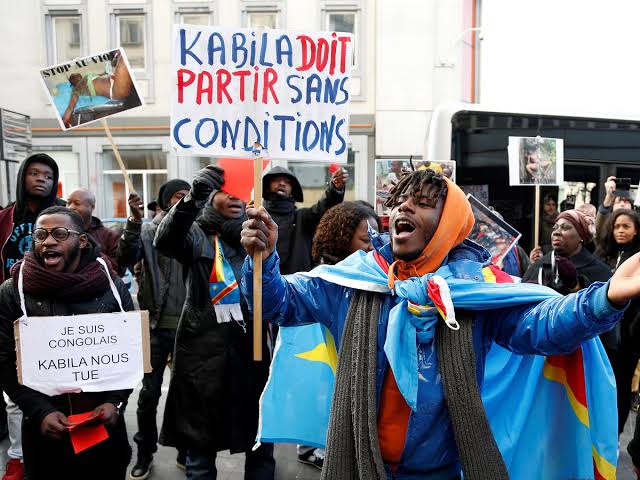
The dispute comes as Tshisekedi faces opposition to proposed constitutional reforms that critics say could open the way for him to seek a third term. Congo’s current constitution limits presidents to two terms.
The political crisis is unfolding alongside the security situation in the east, where fighting involving M23 has continued despite a peace agreement signed in Washington in December. Tshisekedi has said M23 will not participate in the proposed national dialogue, arguing that the Washington agreement provides the appropriate framework for dealing with the armed group.
The opposition, however, has argued that a meaningful national dialogue should include M23 representatives as well as figures aligned with former president Joseph Kabila.
The standoff leaves Tshisekedi facing pressure on efforts to contain the conflict in the east and growing domestic opposition to his proposed constitutional changes.