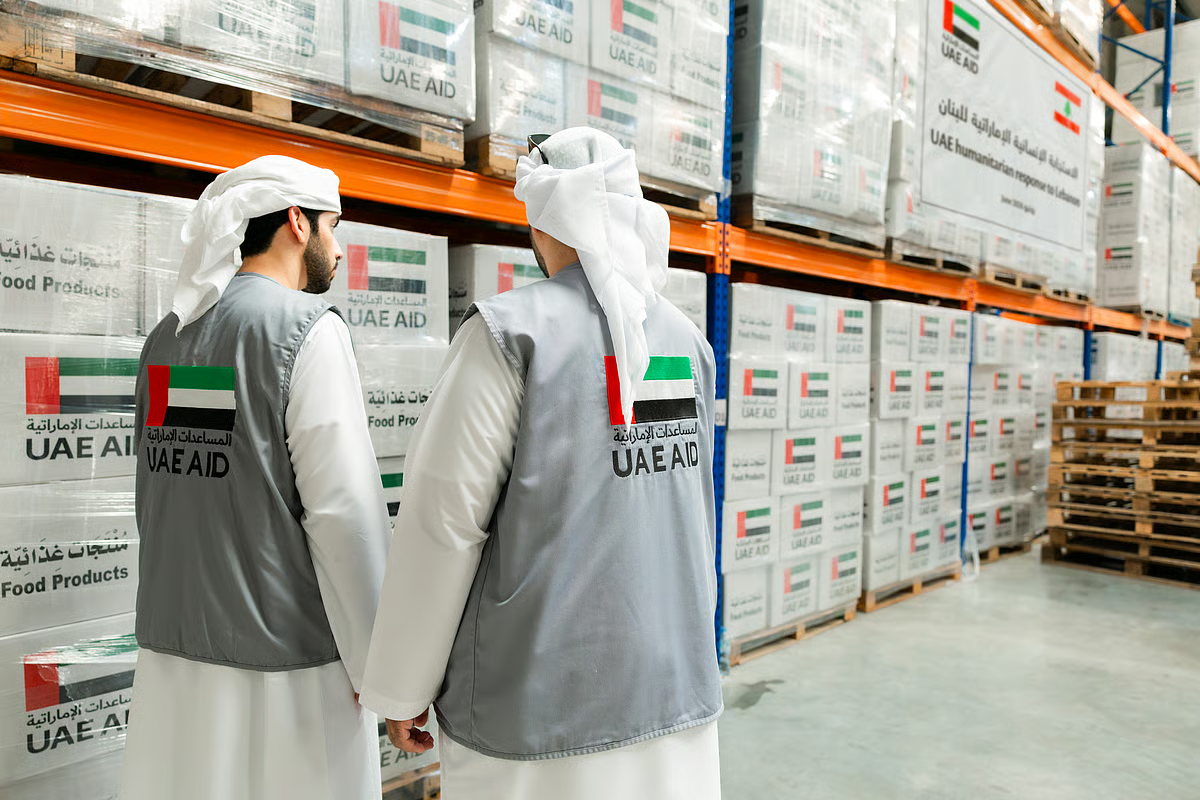
The UAE has sent 83 tonnes of food and shelter supplies to Nepal as rescue teams search for thousands of people missing after catastrophic floods and mudslides along the country’s border with Tibet.
The aid, delivered through the UAE Aid Agency, is part of a $10 million humanitarian package ordered by President Sheikh Mohamed bin Zayed Al Nahyan on Thursday.
The agency, working with the UAE embassy in Nepal, is co-ordinating with local authorities and international organisations to get the supplies to communities worst affected by the disaster.
The UAE’s assistance comes as Nepal’s death toll continues to rise and rescue efforts face difficult weather and the risk of further flooding.
Death toll rises as thousands remain missing
Nepal’s National Disaster Risk Reduction & Management Authority said on Sunday that 752 people had been confirmed dead and 2,502 remained missing. More than 8,000 people had been rescued, while about 20,000 security personnel were involved in rescue and recovery operations.
The Nepal Tourism Board said 261 foreign nationals had been rescued, with another 320 tourists still unaccounted for.
In neighbouring Tibet, Chinese authorities reported 16 deaths after mudslides hit areas near the border.
The disaster was triggered after a glacier collapse and landslide unleashed a torrent of water, mud, rock and ice through valleys and settlements in northern Nepal and across the border into Tibet.
The flooding has destroyed homes and infrastructure and left large numbers of people cut off from the outside world.

Rescue efforts face weather and access problems
Rescue operations have been repeatedly disrupted by heavy rain, while authorities are monitoring lakes that could overflow and trigger further flooding.
Nepal temporarily suspended search-and-rescue operations on Saturday because of adverse weather and appealed for specialised foreign assistance.
The government said it needed technical support to rescue people trapped inside tunnels and to restore transport and communications in areas where bridges and other infrastructure had been destroyed.
Nepali security forces have been working to reach people trapped in hydropower tunnels, while international teams have also been deployed to support specialised rescue operations.
The UAE aid delivery is therefore arriving as Nepal shifts from an immediate search for survivors towards a wider relief operation involving food, shelter, infrastructure and the identification and recovery of victims.
The disaster is among the deadliest to hit Nepal in recent years and has left communities along the country’s northern border facing widespread destruction while families continue to wait for news of missing relatives.