A federal judge in California has ruled that the Trump administration cannot use immigration laws to deport noncitizen students for criticising Israel or supporting Palestinians, finding that the policy violates constitutional protections for free speech.
US District Judge Noël Wise issued the ruling on Friday in San Jose in a case brought by The Stanford Daily, the student newspaper at Stanford University. The newspaper argued that the administration’s immigration crackdown had created fear among international students and caused some to censor themselves.
Wise said the First Amendment protects dissenting views, writing that “freedom of speech is illusory” if people are free only to express views that complement the government and its leaders. The Associated Press reported that the judge found the government’s actions violated both the First and Fifth Amendments.
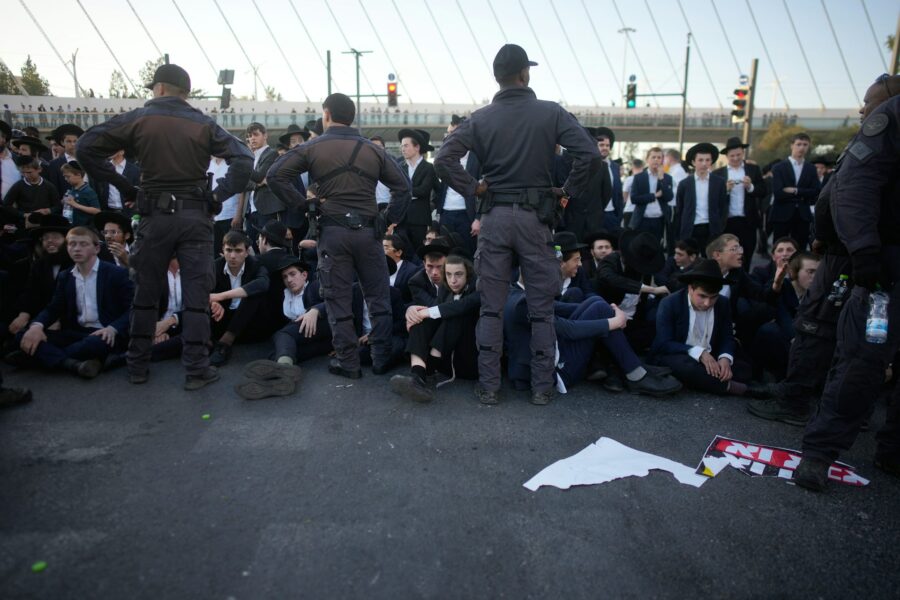
The ruling is the latest judicial setback for an immigration policy that has targeted noncitizens involved in pro-Palestinian activism and protests against Israel’s war in Gaza.
The Trump administration began a campaign against some foreign students and scholars involved in such activism in March 2025. Immigration authorities arrested and sought to deport several prominent activists, including Columbia University graduate Mahmoud Khalil, whose case became a major test of the administration’s approach to political speech by noncitizens.
The Stanford Daily said some of its international staff members had become afraid to speak publicly because they feared immigration consequences.
Wise found that provisions of immigration law used by the administration to target protected speech were unconstitutionally vague and violated the First and Fifth Amendments. She also concluded that the government had engaged in retaliation against people because of their speech. Reuters reported that the ruling specifically addressed the administration’s use of immigration provisions to revoke visas and begin deportation proceedings against noncitizen students over pro-Palestinian advocacy.
The decision builds on a separate ruling issued last year by a federal judge in Boston, who found that the administration had violated the Constitution by targeting noncitizens for deportation because they supported Palestinians or criticised Israel.
Wise’s ruling also highlighted the effect of the government’s policy on student journalists. At The Stanford Daily, some lawfully present noncitizen journalists had quit, withheld articles, refused assignments, removed published material or requested anonymity because of fears about their immigration status, according to the court.
The judge said noncitizens are protected by the First Amendment and should not be forced to guess which political views might expose them to immigration penalties.
The administration has defended its immigration measures as necessary to enforce US law and has argued that foreign nationals who disrupt university campuses or violate immigration rules can face removal.
The Justice Department did not respond to a request for comment on the ruling, according to the AP.
The ruling does not resolve the broader legal fight over the administration’s immigration policies. Similar challenges involving pro-Palestinian activists and academics remain before the courts.
For international students and scholars who have participated in protests over the Gaza war, however, the decision represents a significant ruling against using immigration powers to punish protected political expression.