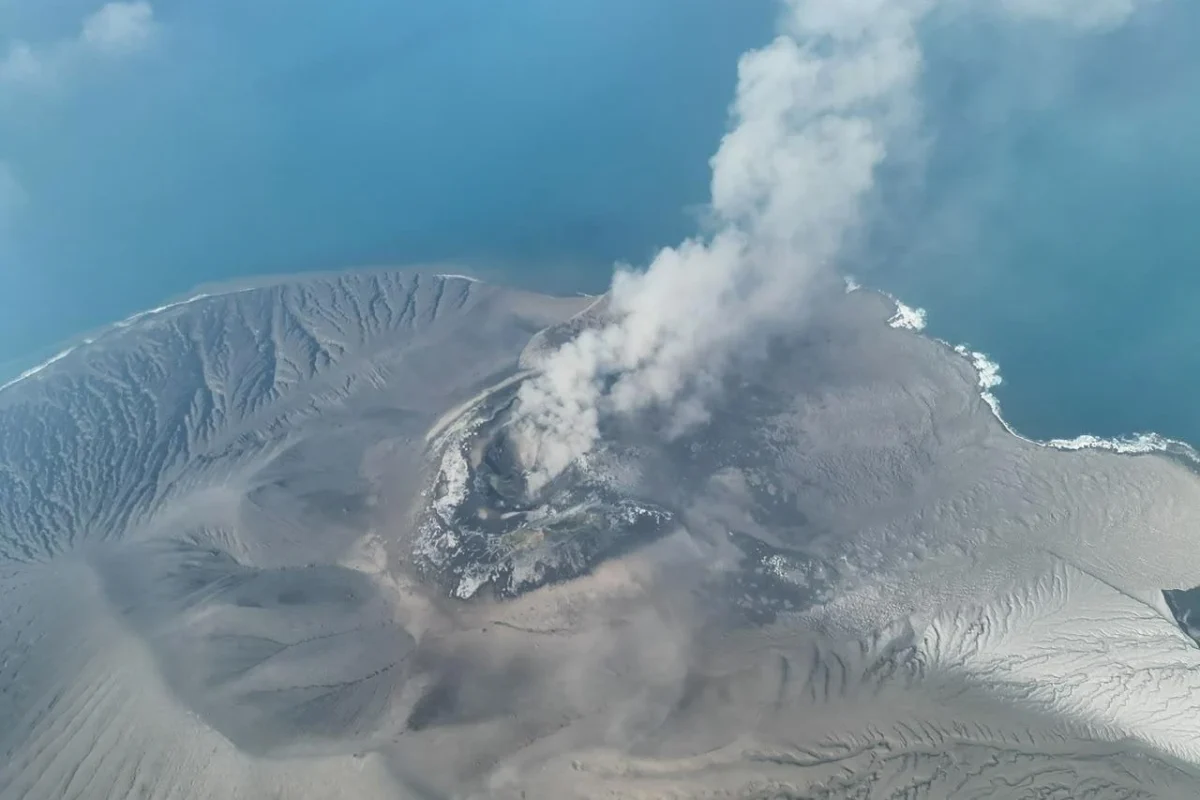
Indonesia has extended airport closures after a major eruption by Anak Krakatau disrupted thousands of flights and left hundreds of thousands of passengers facing delays and cancellations.
Authorities kept seven airports closed on Monday as volcanic ash continued to pose a risk to aircraft, even though the eruption had weakened.
The eruption lasted for about 25 hours and produced repeated ash emissions and minor earthquakes. Airlines cancelled almost 3,000 flights during the disruption, affecting travellers across Indonesia and international routes.
Authorities have taken a cautious approach because wind conditions can quickly carry volcanic ash into aircraft flight paths. Airports must also clear ash from runways and other infrastructure before normal operations can resume.
Indonesia’s Transport Ministry said the closures would remain in place while officials assessed conditions around the affected airports.
Schools in some areas have also shifted to remote learning as ash affects air quality. Authorities have urged residents near the volcano to remain cautious and use protective masks.
Anak Krakatau sits in the Sunda Strait between Java and Sumatra. The volcano formed from the remnants of the original Krakatau volcano, whose 1883 eruption became one of the most destructive volcanic events in recorded history.
The present eruption does not pose the same immediate tsunami threat, but its location makes aviation disruption particularly significant. Indonesia depends heavily on air travel to connect its major islands, while Jakarta’s airports handle large volumes of domestic and international traffic.
The eruption also comes after a period of increased volcanic activity in Indonesia, one of the world’s most geologically active countries.
Authorities have not ordered a large-scale evacuation, but they continue to monitor the volcano for further eruptions. Scientists are particularly watching changes in ash output, seismic activity and wind direction because each could affect aviation and nearby communities.
For airlines, the immediate problem is not only the eruption itself but uncertainty over when conditions will become safe enough to restore flights.
The disruption demonstrates how quickly volcanic activity in Indonesia can move from a local geological event to an international transport problem. With major airports closed and flight schedules disrupted across several islands, the effects are likely to continue until authorities are confident that ash no longer threatens aircraft.