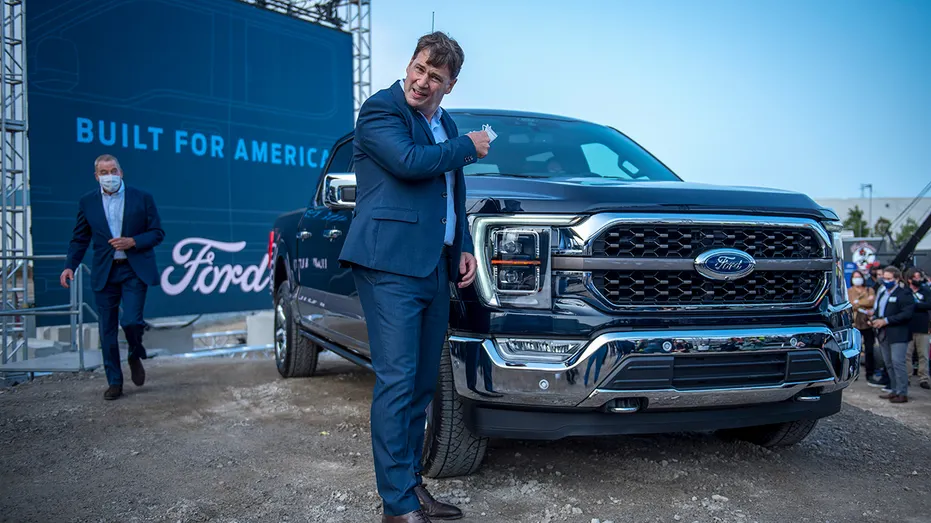
The Trump administration has escalated its pressure on Ford Motor over the automaker’s business relationships with Chinese companies, warning that its reliance on Chinese technology and manufacturing could create national security risks.
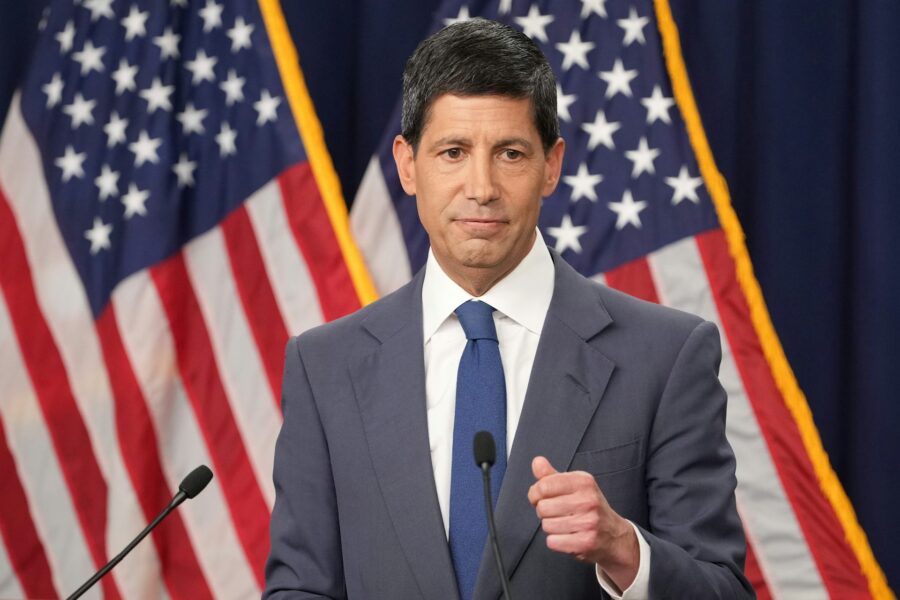
US Transportation Secretary Sean Duffy raised what he called “profound concern” over Ford’s partnerships with Chinese battery manufacturer CATL and automakers Geely and BYD in a letter to Ford CEO Jim Farley.
Duffy urged Ford to reduce its ties with major Chinese companies and said the US Department of Transportation was “deeply alarmed” by the automaker’s use of CATL technology at its battery plant in Marshall, Michigan.
The secretary also pointed to CATL’s inclusion on a US Department of Defense list of companies that the Pentagon says have ties to China’s military. CATL has disputed such characterisations.
The intervention adds pressure on Ford as the US government and Congress move to restrict the role of Chinese companies in the American automotive sector. Congress is considering legislation that would strengthen restrictions on Chinese vehicles, while major automakers have urged lawmakers to act before the end of the year.
Ford rejected Duffy’s criticism, describing the letter as a “wrongheaded attempt to capture headlines.”
The company said its battery operation in Michigan differs from importing Chinese batteries because Ford owns the facility, controls its operations and employs its workforce.
“While others continue to import Chinese batteries, Ford is investing to build batteries here in America,” the company said.
Chinese partnerships become a political liability
Duffy also criticised Ford’s decision to continue manufacturing the Lincoln Nautilus in China until 2030 before shifting production to the United States.
He argued that the arrangement would leave Ford dependent on Chinese manufacturing for several more years while American workers remained excluded from production of the vehicle.
The secretary also challenged Farley’s efforts to explore Chinese joint ventures in the United States.
Farley discussed the possibility of Chinese-American automotive partnerships with administration officials during the Detroit Auto Show earlier this year, according to people familiar with the discussions. The idea was reportedly aimed at allowing Chinese companies to manufacture vehicles in the United States while employing American workers and sharing profits and technology.
Ford has separately expanded its commercial relationship with CATL and entered a European partnership with Geely.
Under the Geely arrangement, the companies plan to use Ford’s Valencia plant in Spain for Geely vehicles and jointly develop an SUV for European and other international markets. The vehicles are not intended for sale in the United States.
Duffy nevertheless argued that the arrangement could give a Chinese company a stronger foothold in Western markets.
“When a company intentionally chooses to deepen operational dependencies on strategic competitors, it fails to act as the reliable partner the American public and this DOT require,” Duffy said.
Ford has also faced scrutiny over its dealings with BYD, one of China’s largest automakers. The company has held discussions with BYD over potential battery supplies for future hybrid vehicles, adding another layer to the administration’s concerns about Chinese technology entering Ford’s supply chains.
The dispute comes as the US auto industry itself is pressing Congress to tighten restrictions on Chinese vehicles.
The Alliance for Automotive Innovation, which represents major automakers including Ford, General Motors, Toyota, Volkswagen, Hyundai, Honda and Stellantis, recently urged Congress to pass legislation that would permanently restrict Chinese vehicles from the US market.
The industry group has specifically opposed exemptions that could allow companies including BYD, Chery and SAIC Motor to manufacture, sell or import connected vehicles in the United States.
The issue extends beyond vehicle imports. US policymakers have increasingly focused on the technologies embedded in modern vehicles, including connectivity systems capable of collecting and transmitting sensitive information.
The Trump administration’s criticism of Ford therefore places the company in a difficult position. Ford is trying to compete with Chinese manufacturers that have gained an advantage in battery technology, production costs and electric-vehicle supply chains, while the US government is increasingly treating those same Chinese capabilities as a strategic security concern.
The confrontation also comes shortly before President Donald Trump is expected to meet Chinese President Xi Jinping later this month, adding a sensitive industrial-policy dispute to broader tensions between the two countries.
Ford now faces pressure to demonstrate that its partnerships with Chinese companies can strengthen its competitiveness without creating the strategic dependencies the Trump administration says it wants American industry to eliminate.
The Chinese embassy in the United States, CATL, BYD and Geely had not immediately responded to requests for comment, according to Reuters.