This year’s El Niño has the potential to be one of the strongest in living memory, and the evidence is showing up around the world.
The U.S. just saw its hottest summer on record in the Lower 48 states. Drought is slowing shipping in the Panama Canal. The Pacific is experiencing an exceptionally busy hurricane season, while the Atlantic is unusually quiet. Those are just a few early signs. Forecasters warn that this El Niño could bring extreme heat, destructive storms and flooding to many parts of the planet through early 2027.

Mark Ralston/AFP via Getty Images
I am a researcher who works on climate and disaster resilience, and I study how governments prepare for climate disasters and help to identify what they are missing.
Community planning for El Niño often starts by identifying infrastructure that’s vulnerable to extreme weather. What can be harder to address are the needs of the populations most at risk, including low-income communities and older adults who may need help preparing their homes and themselves for extreme conditions.
As communities prepare for the rising risk of extreme weather, they need to be aware of the blind spots.
What is El Niño and what’s at risk?
El Niño is part of a natural climate pattern that appears every few years when temperatures in the eastern Pacific Ocean rise.
Its effects can shift weather patterns away from what is considered normal. Typically wet regions can get unusually dry, while dry areas can experience extreme rainfall that causes flooding. Global average temperatures also tend to rise during El Niño conditions, leaving people facing dangerous heat, both indoors and outdoors.
On the U.S. West Coast, for example, the combination of El Niño conditions with king tides and rising sea levels could lead to more coastal flooding, erosion and damage to homes and infrastructure. In the past, flood damage and landslides from heavy rain during El Niño have shut down highways and affected public services long after a storm has passed.

NOAA
Preparing for the strong El Niño expected in late 2026 and early 2027 means ensuring that critical infrastructure is able to withstand flooding, temperature extremes and other severe weather conditions.
That means inspecting flood control and drainage systems, trimming trees that could knock down power lines during high winds, and reinforcing or maintaining infrastructure such as dams, stormwater channels, roads and bridges.
Aging infrastructure, in particular, can be a problem.
Old levees and dams, for example, can leave a community vulnerable to catastrophic flooding, as the Seattle area saw in December 2025 when flooding from heavy rainfall broke levees in multiple communities. Repairing and replacing large-scale infrastructure like this is expensive and time-consuming. Too often, by the time it fails, repairs had been discussed for years but not completed.
Where we’re finding gaps in disaster planning
Infrastructure is only part of the challenge. Preparing a community for El Niño also means preparing people for what could be unprecedented conditions.
A study I worked on with researchers at Tufts University reviewed climate adaptation and disaster preparedness in several high-risk communities in the United States. We identified gaps in the policies, resources and institutional capacity available to help communities adapt to rising risks.

AP Photo/Manuel Valdes
In particular, we found that governments often focus heavily on physical risks while giving too little attention to social vulnerability.
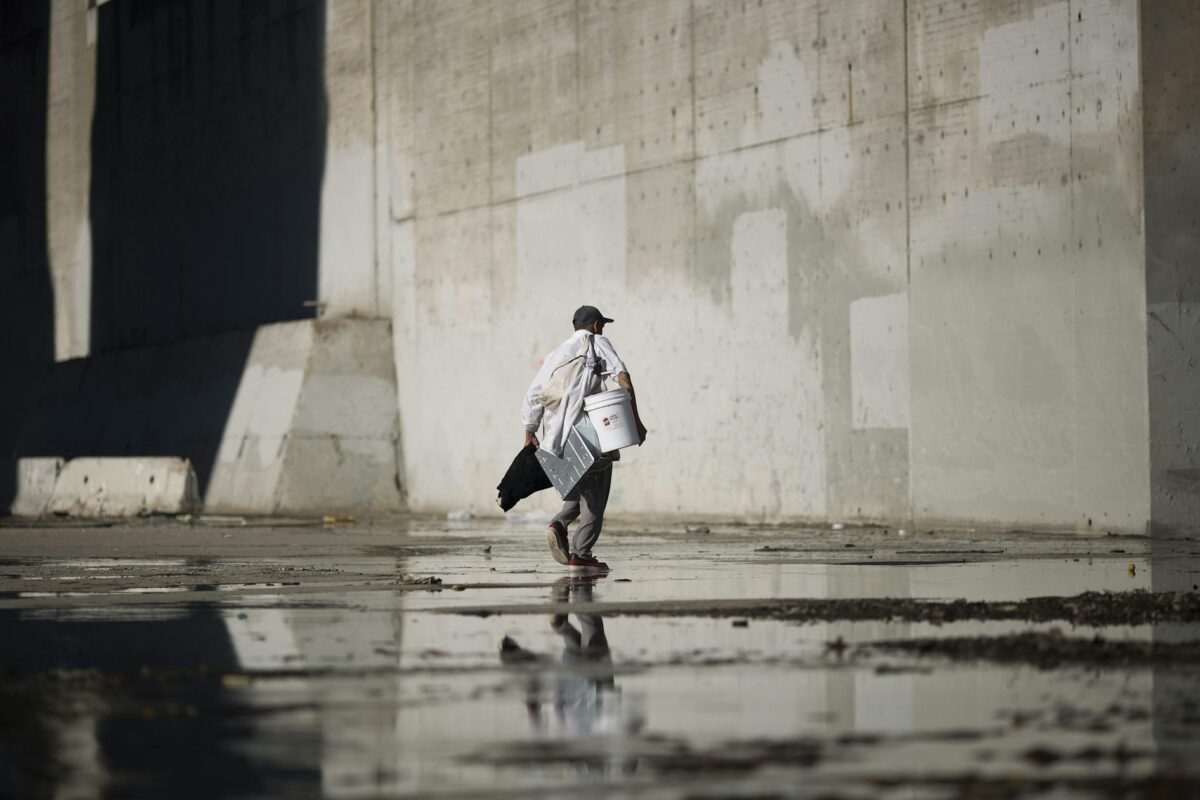
Vulnerable populations, including people experiencing homelessness, older adults and people with disabilities, often face higher risks and greater challenges in preparing for disasters.
People with limited mobility, for example, may have difficulty evacuating quickly or getting into shelters. Individuals with limited financial resources might have fewer options for relocating or for making home improvements in preparation for extreme weather. Someone experiencing homelessness may not have safe shelter.

Genaro Molina/Los Angeles Times via Getty Images
It is often easier for governments to identify and invest in physical infrastructure than to invest in policies that address complex social vulnerabilities like these. For example, building a seawall can be tied to a specific project or funding stream. Reducing social vulnerability, on the other hand, may require coordination across housing, healthcare, emergency management and social services. And it typically requires sustained investments over time.
Yet, preparing successfully for extreme weather often requires considering housing and shelter needs, healthcare access and support services.
After a wildfire or major flooding, people may need temporary rental assistance or affordable housing to avoid displacement. Older adults or people with disabilities may need transportation to shelters or assistance getting medications and healthcare.
Many of these needs can be difficult to address because the underlying vulnerabilities are deeply entrenched. Issues such as affordable housing shortages, poverty or difficulty accessing healthcare cannot be solved by a single disaster-preparedness policy. But they do shape how communities are able to recover from extreme weather.
Identifying gaps before extreme weather strikes
A community’s preparedness often improves after an event, when the gaps become obvious. The challenge is identifying those gaps before a disaster occurs.
In Los Angeles, emergency managers are using a good method to meet that challenge in 2026: They are carrying out scenario exercises that bring together county departments and community disaster management coordinators to practice how they would respond to an El-Niño-driven extreme weather event.
These exercises are designed to identify gaps in existing plans and figure out what might be needed if severe storms, flooding or mudslides occur. Scenario exercises allow people involved in disaster response to work through a hypothetical event before it happens.

Mark Ralston/AFP via Getty Images
In both the San Francisco Bay Area and in Durham County, North Carolina, officials are talking publicly about the risks to encourage residents to prepare. Bay Area officials are stressing the importance of following emergency management notifications and weather forecasts, particularly for individuals living close to the water or on hillsides that could face flash flooding and landslides.
In Oceanside, California, city officials convened an El Niño working group that included representatives from their public works, engineering, fire and police departments to coordinate planning, communications strategies and the monitoring of the San Luis Rey River.
Broader lessons
The challenge of preparing for El Niño in the face of uncertainty reflects some of the broader issues humanity faces when preparing for future climate changes.
Keeping up with infrastructure maintenance, scenario planning ahead of heat or storm seasons, understanding the needs of vulnerable populations and having plans in place to meet them can help prevent a severe storm from becoming a major disaster for the community.

Bethany Tietjen does not work for, consult, own shares in or receive funding from any company or organization that would benefit from this article, and has disclosed no relevant affiliations beyond their academic appointment.