Climate activists and civic organisations in France are intensifying pressure on political parties after a summer marked by record heat, drought and growing public-safety concerns.
Environmental groups, unions and social-justice organisations gathered near the Finance Ministry in Paris to demand stronger climate policies and greater attention to the effects of extreme weather on health, workers and vulnerable communities.
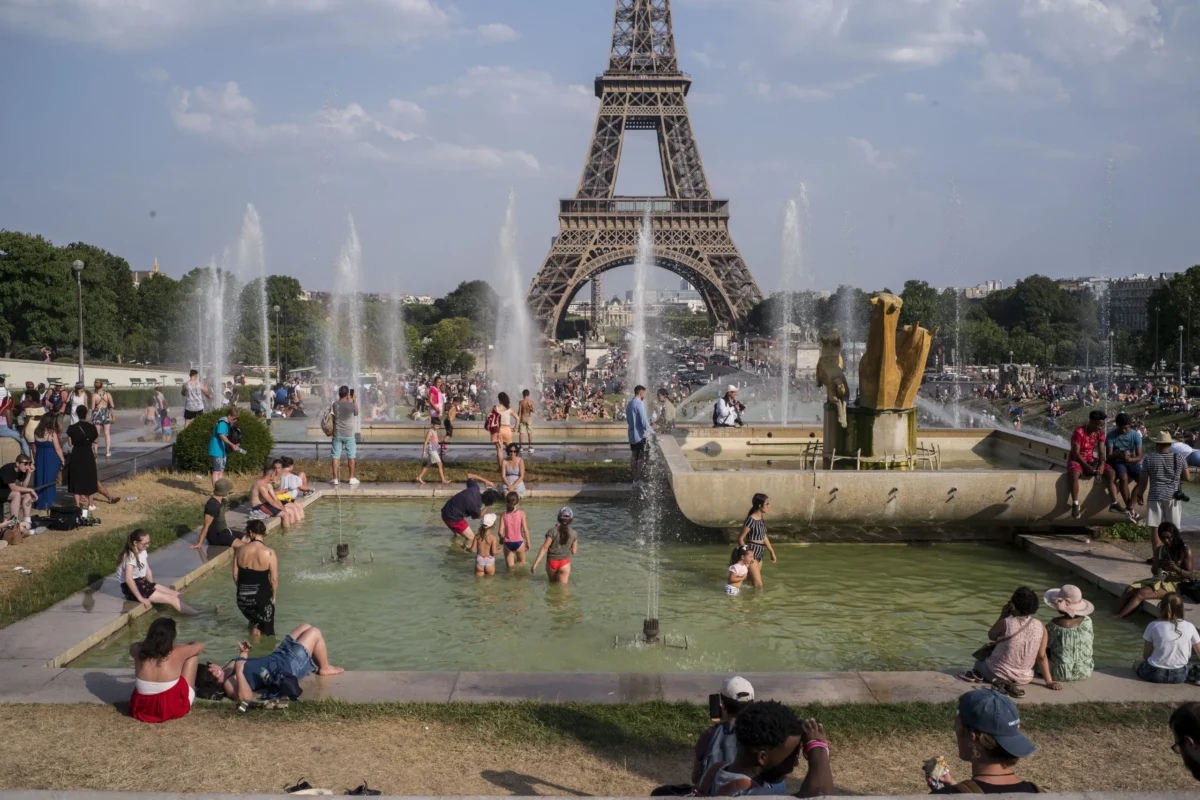
France experienced its hottest summer on record in 2026, according to reporting by Le Monde. The heat was accompanied by drought conditions and wider concerns about the impact of climate change on agriculture, water supplies and public infrastructure.
The campaign comes as political parties begin positioning themselves ahead of France’s 2027 presidential election. Activists want candidates to make climate change a central part of their programmes rather than treating it as a secondary environmental issue.
The groups involved include environmental organisations such as France Nature Environnement and Greenpeace, alongside unions and public-interest groups. Their coalition reflects a growing effort to link climate policy with household costs, working conditions, public health and social inequality.
Extreme heat disproportionately affects outdoor workers, older people, low-income households and those living in poorly insulated homes. Drought also places pressure on farmers, river systems and local authorities responsible for water management.
Climate groups plan further demonstrations later in September. They are seeking commitments on emissions reduction, adaptation, public transport, housing efficiency and protection against heat-related health risks.
The political response remains uncertain. Climate change ranks among the major concerns for French voters, but parties face competing demands over purchasing power, migration, public spending and security.
The activists’ challenge will be to maintain public attention after the summer’s extreme conditions fade. Their campaign suggests that climate politics in France may increasingly be framed not only around emissions targets, but also around the immediate costs of heat, drought and inadequate public protection.