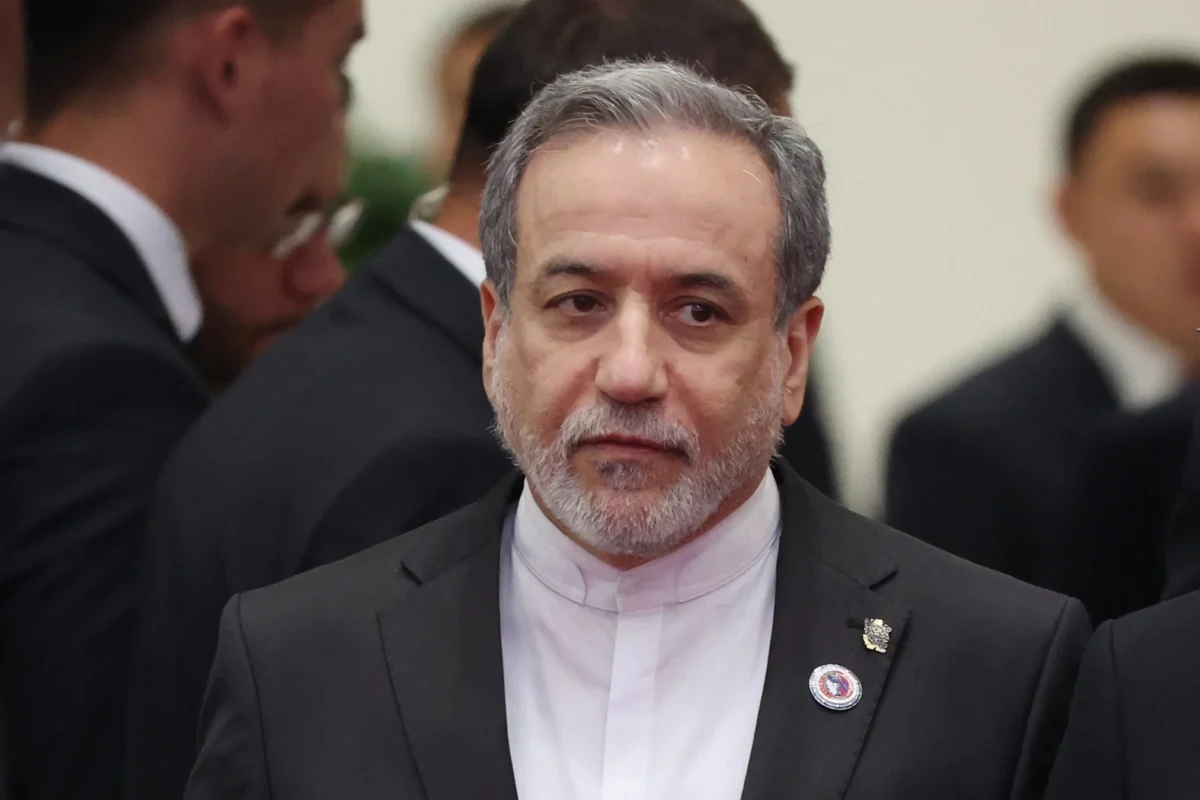
Iranian Foreign Minister Abbas Araghchi is heading to China for talks with his Chinese counterpart, Wang Yi, as diplomatic efforts to ease tensions across the Middle East remain stalled.
The meeting on Wednesday comes as Beijing prepares for Chinese President Xi Jinping’s planned summit with US President Donald Trump next week, with the war involving Iran and disruption of energy shipments through the Strait of Hormuz expected to feature prominently in the talks.
Regional tensions have also intensified, with fighting resuming between Yemen’s Iran-aligned Houthis and Yemeni government forces, as well as Saudi Arabia. A planned regional meeting intended to address the conflicts and the reopening of the Strait of Hormuz has also been postponed indefinitely.
The meeting of foreign ministers from Iran, Iraq and Gulf Cooperation Council countries, excluding Bahrain, had been scheduled for Monday but was cancelled, according to Oman’s Foreign Minister Badr Albusaidi. Iranian reports later attributed the cancellation to objections from Saudi Arabia.
Against that backdrop, Araghchi’s talks with Wang could give Beijing another opportunity to engage Tehran over the regional crisis while protecting its own economic and strategic interests.
The discussions could also prepare the ground for a visit to China by Iranian Parliament Speaker Mohammad Bagher Ghalibaf, who was appointed Tehran’s special representative for China affairs in May.
Iranian media have said Ghalibaf’s proposed visit would focus on expanding the partnership between Tehran and Beijing, including political coordination, investment, technology, infrastructure and regional security.
Reports have suggested that China set conditions for the visit, including the reopening of the Strait of Hormuz. However, the office of Iran’s special representative denied that Beijing had imposed any prerequisites, according to Iran International.
Araghchi has maintained close contact with Wang since US and Israeli strikes on Iran. The two ministers have spoken by telephone at least four times and met in Beijing in May, where they discussed bilateral cooperation, economic relations and Gulf security.
They also met in July on the sidelines of the Shanghai Cooperation Organisation foreign ministers’ meeting in Kyrgyzstan and during Brics-related meetings in India earlier this month.
During their July meeting, Wang called for the resumption of negotiations and implementation of a US-Iran agreement intended to establish a ceasefire, reopen the Strait of Hormuz and create a path towards a permanent peace agreement, according to a Chinese statement.
That truce collapsed in early July, while negotiations stalled during the 60-day window covered by the agreement, which expired in mid-August.
The latest talks therefore come as Iran faces renewed regional pressure and as China seeks to prevent a wider conflict from disrupting energy supplies and destabilising a region critical to its economic interests.
For Beijing, the meeting also offers an opportunity to reinforce its diplomatic role between Iran and other regional powers, while the United States and Iran remain divided over how to restore a durable ceasefire and reopen the Strait of Hormuz.