In South Asia, survivors of sexual and physical abuse are often met with judgment and stigma
Originally published on Global Voices
Editorial note: This article contains mention of gender-based violence, sexual assault, violence against children, and child sexual abuse, which may be triggering for some readers.
November 25 to December 10, 2026, marks the UN’s 16 Days of Activism against Gender-Based Violence. However, even as gender-based violence gets more recognition globally, survivors are still struggling to access social or legal justice. South Asia is no exception to this. Global Voices sat down with one survivor of childhood abuse who uses her experience to fuel her advocacy work today.
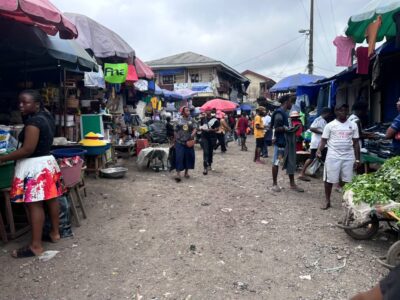
South Asia is home to nearly one quarter of the world’s population, woven with a diverse, culture-driven fabric where women are often celebrated as goddesses. However, this veneration doesn’t necessarily mean South Asian women are safe or free from abuse.
In Nepal, there are far too many examples of crimes against women and girls. For instance, Nirmala Panta, 13, was found dead in a sugarcane field — a case which has remained unsolved since 2018. Bhagirathi Bhatta, 17, was choked to death when returning home from school in 2021, and Inisha BK, 16, was found unconscious in the Janagaran Community Forest in Surkhet in early 2026. A similar yet shocking case is that of a 3-year-old Garima, who was found dead inside an abandoned house in Jeetpur in southern Nepal. While these tragic rape and murder cases leave deep scars in Nepal’s national psyche, even more cases go unheard and unreported.
Sparking a nationwide outrage, such cases force the country to confront a collective shame. They raise questions around human morality, diminishing trust and affection in society, and breakdowns in the legal justice system. In the face of these atrocities, women took to the streets, demanding justice and accountability. But their calls fell on deaf ears.
Pratistha Gautam’s story
“I was 11 years old when I was sexually abused by my close maternal uncle for four days,” said Pratishtha Gautam in an online interview with Global Voices in November 2026. Opening up about this incident was a real challenge for her, yet she was committed to sharing her story.
Her childhood was by no means easy. She moved regularly as a child, and at seven years old, she was sent to her maternal uncle’s house for a year because her parents had to move away to address her younger brother’s health issues.
It was in this house that a monster took away her innocence.
After four days of abuse, she escaped on the fifth day with the help of her neighbors. Finally getting a chance to flee from her abuser, she “rushed to my room, quickly happened to lock the door by chance, thankfully, and began to scream out to my neighbors.” She had witnessed men mistreating women in her neighborhood growing up and feels lucky that her cries weren’t met with indifference.
She felt neglected growing up and believed her parents loved her younger brother more. This left her with a sense of detachment from her family. The abuse only compounded her challenges. As she says, “It was not easy at all.”
The experience has left her with scars: “I have been awakened with nightmares since that incident, making my sleep extremely difficult.” She also suffers from panic attacks when she sees material about sexual abuse. She describes feeling like her heart is swollen and being torn apart. When triggered, she often freezes up and dissociates.
According to research from the American Academy of Pediatrics journal, child sexual abuse can be incredibly detrimental to a person’s long-term mental well-being. Child abuse survivors are more likely to suffer from anxiety disorders, depression, eating disorders and disturbances, sleep disruption and insomnia, and dissociation, as well as adverse physical health conditions and attachment issues, according to the Center of Expertise on Child Sexual Abuse.
This highlights the immense scale of pain that many children experience when they are victims of sexual abuse. Not everyone is able to speak out about such abuses. This is particularly true in South Asia, where there is a social stigma around abuse, due to entrenched ideas around “purity.”
She resents suggestions that it is women’s responsibility to not “tempt” men or draw attention to themselves. “Why should we be the ones to cover ourselves up?” she asks. She refuses to hide and stay silent while her abuser “is living free somewhere.” She refuses to remain invisible.
Even as many countries make strides in gender equality, gender-based violence continues to be a major issue. In a 2023 report, the World Health Organization (WHO) estimates that nearly one in three (31.6 percent) of women worldwide have been subjected to either physical and/or sexual violence in their lifetime — roughly 840 million women and girls.
At the root of gender-based violence lies a belief in male superiority. Not all men would openly endorse this belief, yet many see themselves as protectors of the women in their lives: their sisters, mothers, girlfriends, and wives. But this notion of protection is deeply flawed, especially when it comes at the cost of women’s freedom, mobility, access to opportunities, dreams, and agency.
Gautam recognizes this notion in her own upbringing. She had dreams of her own and was ready to chase them, but her family had a different plan for her. They wanted “to get me married off,” she said. She kept her independence through stubbornness and determination.
A trauma that persists
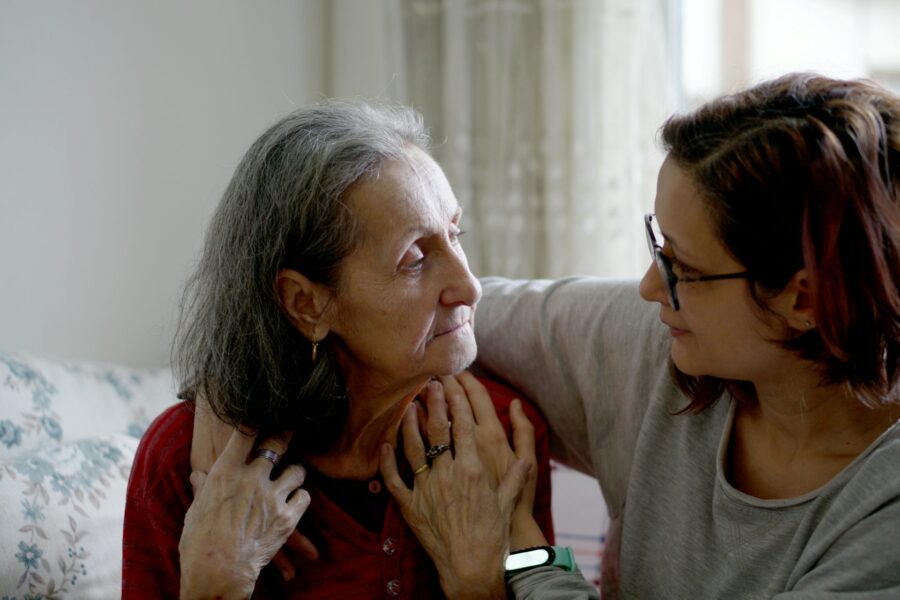
Today, Gautam lives in Adelaide in South Australia. She suffers from complex PTSD (post-traumatic stress disorder) and works as a mental health clinician helping other survivors of abuse. She reflected, in a heavy tone, on being a thousand miles away from home but safe and independent.

Image via Pratistha Gautam. Used with permission.
PTSD and insomnia aren’t the only consequences of her abuse. While she was once married, she struggled to cope with her trauma, and it negatively impacted her relationship, eventually leading to divorce.
As part of her treatment, Gautam has met regularly with psychotherapists over the years. Eventually, even that wasn’t enough. She put everything on hold for a year and gave herself time and space to focus on her mental health. She believes she would have difficulty living a normal life and still struggles with relationships. “I hate men. I used to hate them and still have trust issues,” she said.
Even as she struggles to process her own trauma, she also works to help others recover from abuse and offers pro bono psychological counseling. Being part of the solution has in some ways helped her heal. Her passion as a mental health clinician goes beyond her own individual experiences to the collective — a reminder to be empathetic as humans first.
While she primarily works in Australia, she is also committed to helping women back in her home country of Nepal. She has collaborated with Rakshya Nepal, an organization in Nepal that protects women and girls from sexual exploitation and trafficking.
Reflecting back on the choices she made, she said, “I cannot imagine if I could afford this luxury of mental space if I were not in Australia.”
This is also a testament to how South Asia treats survivors of sexual and physical abuse — even if they gather the courage to speak the truth, too often they are met with judgment and scorn. Part of this is due to limited regard for mental health, but it’s also about entrenched gender roles and strong societal expectations. There is a popular saying in Nepal reflecting these persistent gender dynamics: “timi ta chori manche ho ni” and “chora manche vayera gari halchan ni,” which roughly translates to “you are a girl, and boys will be boys.”