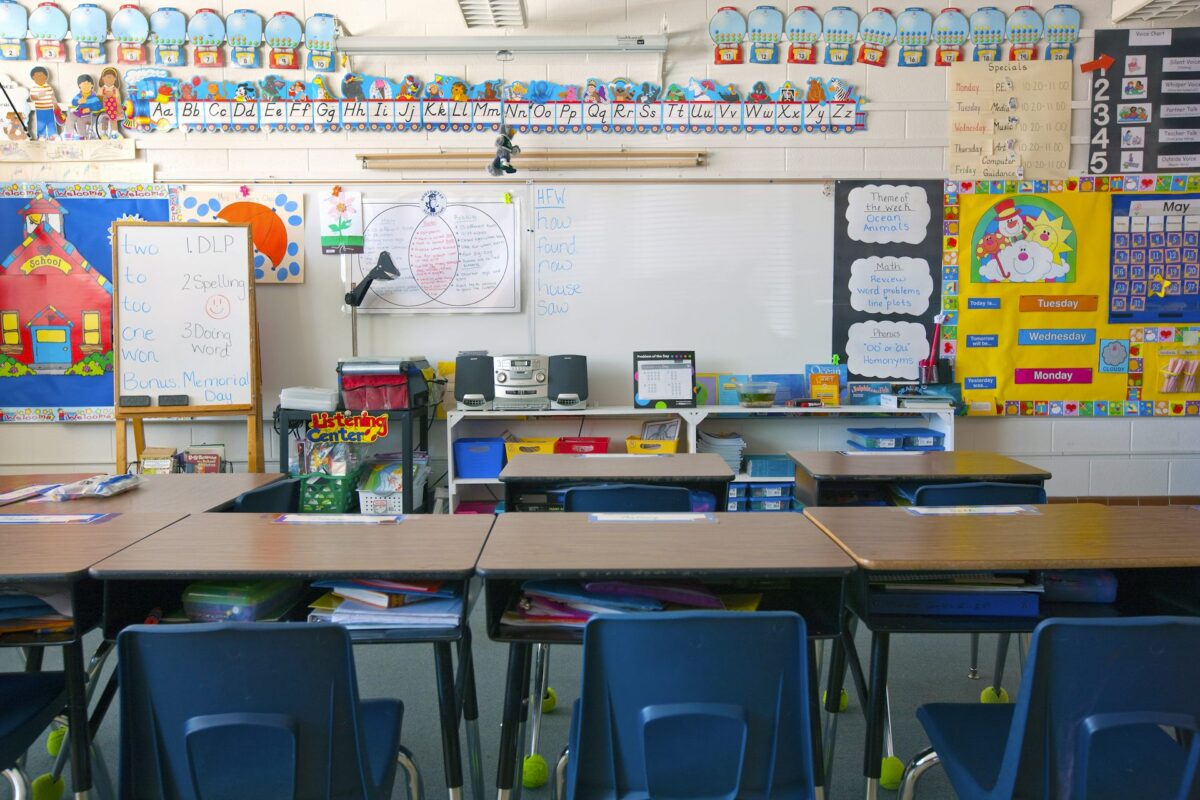
Americans’ satisfaction with public education has fallen to its lowest level since 1999.
Less than a third of Americans were satisfied with public education in 2026, compared with more than half who felt this way in 2019 and 1999, according to a September 2026 Gallup poll.
Parents typically give their own children’s education higher marks, reflecting a broader tendency to view familiar local institutions more favorably. But parents’ satisfaction with their children’s schools has also reached a record low: 66% of parents reported being satisfied in 2026, down from 83% in 1999.
Declining test scores, misinformation about public education, culture war issues and a general lack of knowledge about what K-12 schools are teaching have all contributed to this drop in satisfaction.
As an education researcher focused on family, school and community relationships, I am concerned that declining satisfaction in public schools could have lasting consequences for students and communities.
Roots of public education
Public education in the U.S. was shaped by 19th-century advocates who argued that universal, free and nonsectarian education was essential to the success of a democratic society.
Communities agreed to invest in education because they believed it would benefit everyone, not just families with children, by supporting economic growth and preparing people to work together to solve shared problems.
Sustaining that public investment depends in part on people’s confidence that schools are delivering on these shared goals.
Without that public confidence, schools may struggle to secure the necessary funding and buy-in from the community. Parents may start to doubt that their children will be well-educated in public schools.

Will Lester/MediaNews Group/Inland Valley Daily Bulletin via Getty Images
The costs of conflict and mistrust
The rise of political polarization in the U.S. has complicated people’s perceptions of education.
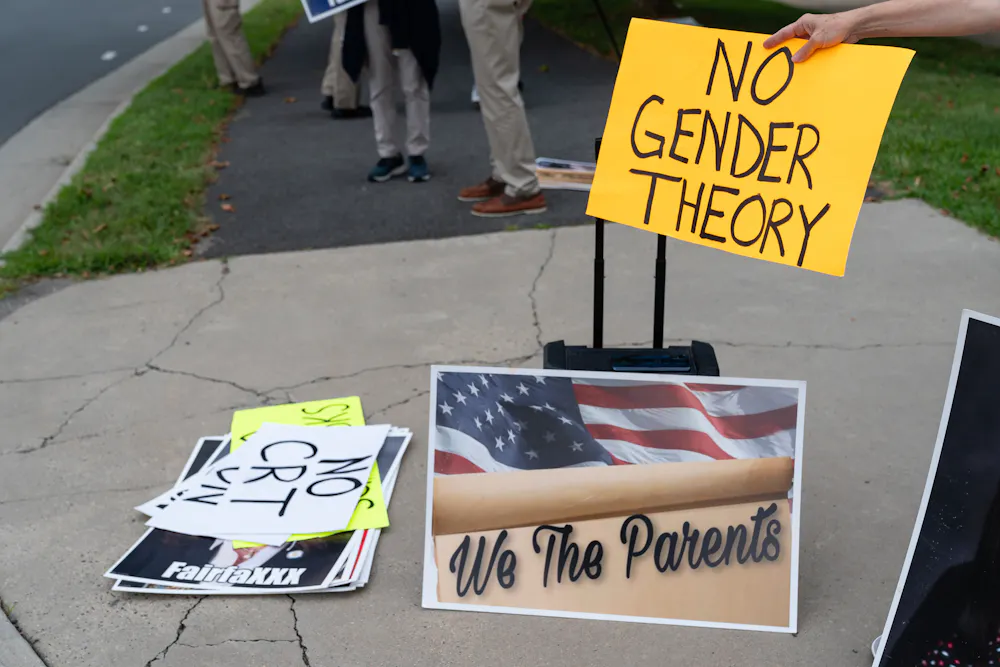
Local schools have become flash points in debates over race, gender and what children should learn, and research on school board meetings shows how these conflicts can fuel distrust of school leaders and disrupt how schools are run.
For example, some conservative politicians, media outlets and advocacy groups have promoted false claims that schools are using critical race theory – meaning the idea that racism is built into laws, rules and everyday systems in society – to indoctrinate children.
Researchers found that these campaigns have often distorted lessons about racism and efforts to support students from diverse backgrounds, despite no evidence that critical race theory was widely taught in K-12 schools.
Repeatedly hearing and reading misinformation about public education can make it harder for communities to distinguish reliable, fact-based information from politicized distortions of reality.
Other carryover effects
The effects of misinformation can also extend into other areas of school life, including the work that district superintendents and school boards do.
In a 2026 study, my colleagues and I found that 82% of district superintendents felt increasingly concerned about inaccurate information circulating about their schools or district decisions. Another 55% reported that school board meetings had become noticeably more contentious over the past few years.
Such conflicts can become expensive.
Disputes over teaching about race and racism, the rights of LGBTQ+ students and access to books cost public schools US$3.2 billion during the 2023-24 school year. This estimate includes legal expenses, security, staff time and the cost of replacing employees who left because of tension or fighting at schools.
Controversy and polarization surrounding public schools can leave teachers feeling that their work is not trusted or valued.
Approximately 47% of teachers believed most Americans trusted teachers little or not at all, according to a 2023 Pew Research Center survey.
Teachers who feel valued are more likely to want to stay in the profession. Feeling undervalued may make an already demanding profession less appealing.
Eric Lee/The Washington Post via Getty Images
Rebuilding confidence in public education
Regaining people’s trust in public education would involve the difficult task of addressing legitimate public concerns, like students’ declining test scores.
It would also involve effectively correcting misinformation and diplomatically managing community members’ diverse values and opinions.
Transparency is not just about giving community members more access to information about what schools are teaching and how.
I believe it also means that schools should acknowledge their limitations, explain their decisions and respond to community members’ questions.
For example, when parents voice concerns about how race and racism are discussed in classrooms, educators could share teaching materials, explain their learning goals and provide opportunities for questions.
This could help clarify what students are actually learning, correct inaccurate ideas and spark discussions about how these topics should be addressed. These conversations may not result in consensus, but participants gain a clearer understanding of school decisions and the differing views within communities.
School administrators could also connect with families and community members to give them a chance to ask questions, share concerns and brainstorm solutions.
The Family Leadership Design Collaborative, for example, is a national network led by academics, families, educators and community leaders from across 10 U.S. cities. It works to identify shared educational concerns and draft responses to big educational challenges, including school discipline and racial inequities.
These types of partnerships require a significant commitment. But they offer a chance to give people firsthand opportunities to see how schools can respond to challenges, and to rebuild trust in communities.

Michael P. Evans does not work for, consult, own shares in or receive funding from any company or organization that would benefit from this article, and has disclosed no relevant affiliations beyond their academic appointment.